

The UAE has made artificial intelligence a central pillar of its future economy, anchored in the National Artificial Intelligence Strategy launched in 2017 and targeted for full sector integration by 2031. Across multiple reports, the goal is consistent: AI is forecast to contribute up to 20% of the UAE’s non-oil GDP by 2031. For business leaders, that target is more than a policy statement. It implies that procurement, operations, customer service, and talent plans will increasingly be judged against an AI-ready standard, especially in sectors that the strategy prioritizes.
Market projections reinforce why the UAE is pushing hard. AI in the UAE is cited as having a base of Dh12.74 billion in 2023 and is projected to expand at a 44% compound annual growth rate, reaching Dh170.14 billion by 2030, according to Trends Research & Advisory (as referenced in multiple sources). That scale of projected expansion matters for companies because it points to a widening local ecosystem of vendors, startups, training initiatives, and research institutions that can support deployment. It also raises competitive pressure: as more firms adopt AI, “wait and see” becomes a higher-risk strategy.
What the Strategy Signals for Day-to-Day Business Decisions
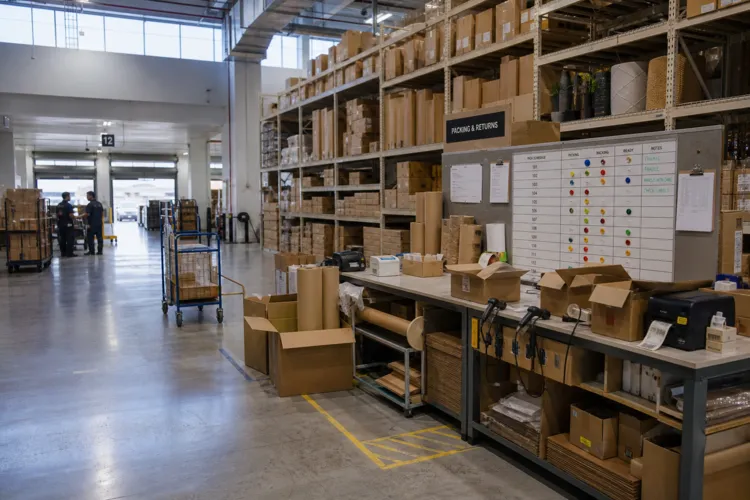
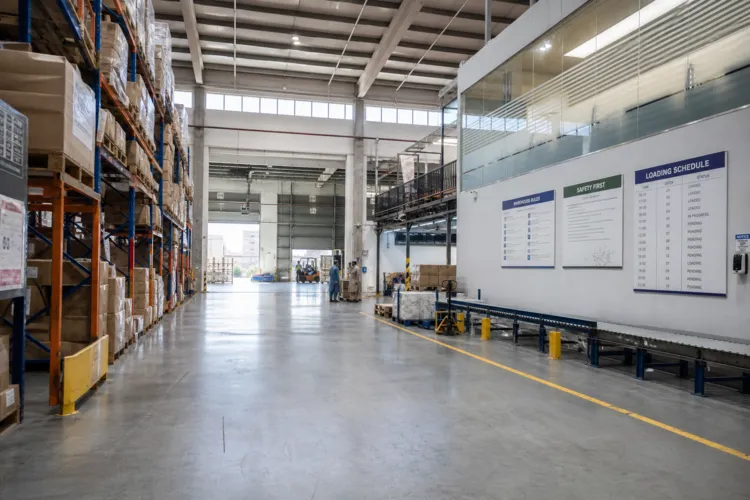
The strategy’s sector focus is explicit: healthcare, transport, education, energy, and logistics are repeatedly cited as key areas targeted for AI integration by 2031. For businesses operating in these domains, the message is straightforward: expect accelerated modernization of workflows, data practices, and service models. The sources also describe a multi-billion-dirham programme aimed at cementing the UAE’s place as a global AI leader. While the exact size is not specified, the phrasing signals sustained investment rather than one-off pilots, which should influence how firms plan multi-year transformation roadmaps and partnerships.
Government implementation is not theoretical. The Office of Artificial Intelligence, Digital Economy, and Remote Work Applications launched a 10-day US tour for 50 Chief AI Officers appointed across federal entities. The delegation is scheduled to visit major technology companies, including Google, Meta, OpenAI, Palantir, NVIDIA, IBM, Amazon, and Microsoft, to study innovations, exchange expertise, and explore collaboration. For companies selling into government, this indicates rising sophistication in buyer expectations. For companies learning from government, it suggests that AI governance, use-case prioritization, and vendor evaluation will become more structured and more demanding.
The wider economic framing also matters for business confidence and scenario planning. One source notes that by 2024, non-oil sectors contributed 75.5% of UAE GDP (Federal Competitiveness and Statistics Centre, 2024), reinforcing the broader diversification context in which AI sits. Another analysis states the UAE targets an additional AED 335 billion in economic growth by 2031 from its AI initiatives and also mentions a goal for AI to contribute up to 14% of national GDP by 2030 alongside the 20% non-oil GDP ambition by 2031. Put together, these signals encourage businesses to treat AI as a core capability tied to competitiveness, not just experimentation.
What is the UAE’s AI economic target for 2031?
How big is the UAE AI market projected to become by 2030?
Which sectors are prioritized for AI integration by 2031?
What do the 50 Chief AI Officers mean for companies?
How does the non-oil economy context connect to AI plans?