

The rise of GCC Sustainable Logistics reflects a clear shift in how Gulf countries approach growth. Sustainability is no longer optional. It is becoming a core strategy for logistics, infrastructure, and urban development.
The numbers show strong momentum. The GCC green logistics market was valued at USD 29.3 billion in 2024 and is projected to reach USD 76.8 billion by 2033, growing at a CAGR of 11.2%. At the same time, another estimate values the green logistics and net-zero fleet transition market at USD 15 billion, with compliance spending expected to increase by 15%.

Read the full report for further insights: Opportunities for Supply Chain Transformation in the GCC
This growth is driven by demand. Around 60% of companies in the GCC are actively seeking eco-friendly logistics solutions, which is expected to push demand up by 20%. This signals a clear shift in business priorities. Companies are no longer just optimizing cost and speed. They are also focusing on environmental impact.
More importantly, the potential for change is significant. The GCC transport and logistics sector could reduce its carbon footprint by 20–40% through decarbonization measures. This creates both environmental and economic value.
Transforming Logistics Through Green Infrastructure and Smart Innovation
Green Warehouses Setting New Standards
Warehousing plays a major role in emissions. It accounts for 13% of the logistics sector’s greenhouse gas output. This makes it a key area for improvement.
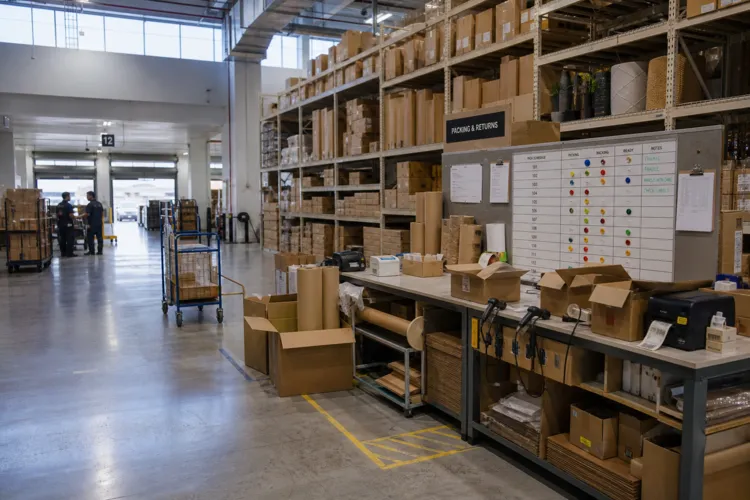
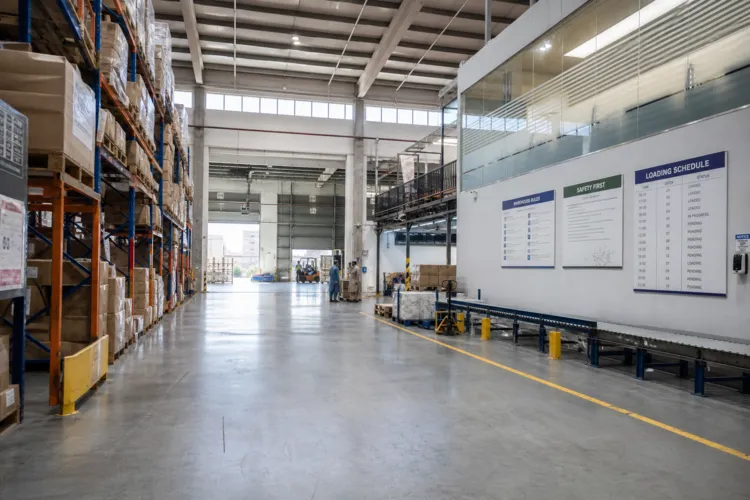
Green warehouses offer a practical solution. Facilities with certifications such as LEED and BREEAM deliver 20–30% energy savings. In some cases, BREEAM-certified sites at the “Excellent” level are even net-zero ready.
A strong example is the SC Capital Partners Industrial Park in Ras Al Khaimah, which spans 300,000 square meters. It integrates water-saving systems and ESG-focused design. This project reflects how sustainability is becoming the new standard for logistics infrastructure in the region.
Urban Logistics Innovation in Smart Cities
Urban logistics is another critical focus area. Without intervention, carbon emissions from urban delivery traffic could rise by 60% by 2030. This creates urgency for change.
GCC cities are responding with innovation. Shared logistics systems, such as microhubs and parcel lockers, deliver 21% efficiency savings in last-mile delivery. They also reduce emissions, including 4.6% lower CO₂ output and improvements in air quality.
Technology plays a key role. AI-powered route optimization systems can reduce fuel consumption by up to 20%, while IoT tools help minimize empty trips. In cities like Dubai, logistics platforms already use AI for fleet management and emission control. Meanwhile, Saudi Arabia’s NEOM project is building a vision of fully automated, zero-emission logistics systems.
Carbon Neutrality and National Strategies
Sustainability efforts are supported by national policies. For example, the UAE’s National Climate Change Plan targets a 23% reduction in emissions by 2030. These targets directly affect logistics operations, from transport to warehousing.
This is important because logistics contributes 25% of global emissions. Reducing this impact is essential for reaching net-zero goals by 2050.
Research also shows that improvements in logistics infrastructure have a direct environmental effect. A 1% increase in infrastructure quality can reduce CO₂ emissions by 1.27%. This highlights the importance of investment in efficient systems and networks.
Saudi Arabia is also advancing in this space. Under Vision 2030, sustainable practices are being integrated across sectors. New transport laws approved in 2024 further support this shift, strengthening the regulatory framework for greener logistics.
Conclusion
The transformation of GCC Sustainable Logistics is already underway. Market growth, technology adoption, and policy support are all aligning toward a common goal.
Green warehouses are improving efficiency. Smart urban logistics systems are reducing emissions. National strategies are setting clear targets for change.
The impact is measurable. Up to 40% carbon reduction, 21% delivery efficiency gains, and 20–30% energy savings in warehouses show that sustainability can deliver real results.
The tools and solutions already exist. The next step for GCC countries is scaling these initiatives across the region. This will define how quickly the logistics sector can move toward a low-carbon future.