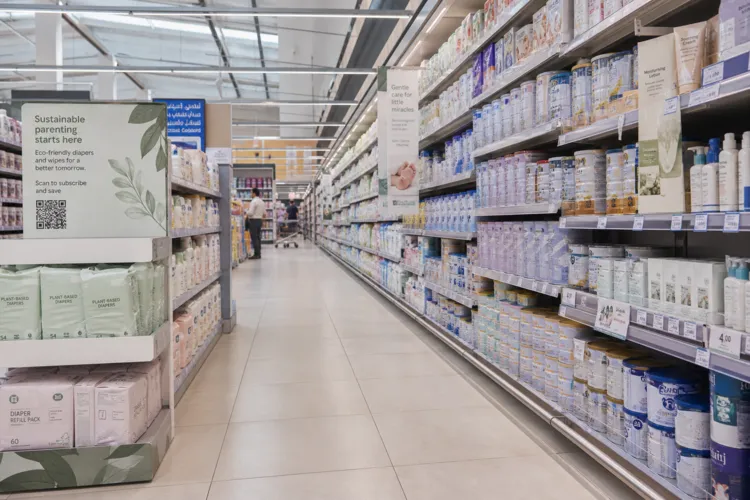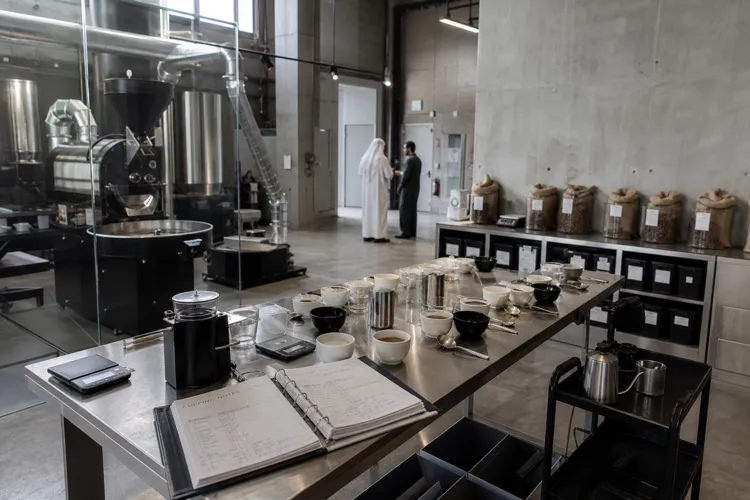

The Abu Dhabi halal food market is being pulled forward by two forces that are easy to see in the available evidence. First, halal is expanding beyond a narrow focus on meat. A halal industry organizer highlighted that compliance can be affected by “certain gelatins used in desserts or animal-based emulsifiers in sauces,” and said operators should review “their entire menu, not just the proteins.” Second, halal-certified beverages and pantry items are appearing in larger numbers. The same source said there has been “tremendous growth of halal drinks,” naming “sodas, juices, and even sauces” as products now being halal-certified.
Demand is also being pushed by broad, cross-sector adoption. Growing interest was described across “hospitality to healthcare,” and halal programming is not limited to Muslim-owned outlets. One organizer noted a “trend of even non-Muslim-owned restaurants converting to halal.” Cost concerns can be a barrier for foodservice decision-makers, but the same source argued this concern is “largely unfounded,” stating that “halal meat is available at market prices now” and there is “no significant extra expense” if sourcing is done correctly. The same view also connects demand to loyalty, suggesting trusted halal offerings can increase traffic.
Export Potential: Logistics Help, But Certification Access Can Shift
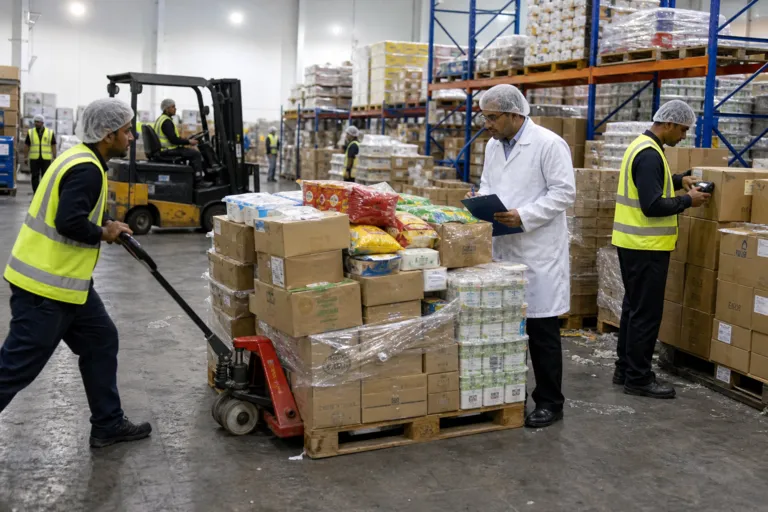
Export potential linked to Abu Dhabi and the wider UAE is strengthened by trade infrastructure and facilitation programs described at the national level. One trade report emphasizes the UAE’s position “at the crossroads of East and West,” supported by “world-class ports, free zones, airports and multimodal logistics corridors.” It also points to “streamlined customs procedures” and export promotion initiatives that help SMEs expand. The same report says participants can gain access to a global database of “over 400 million companies” to identify buyers and partners, and it references Comprehensive Economic Partnership Agreements that can support “reduced tariffs and streamlined customs procedures.”
At the same time, halal exports can be sensitive to certification decisions and shifting market access. In 2025, Indonesia and the United Arab Emirates—described as “two major halal beef destinations”—placed temporary restrictions on halal certifications from the United States. The restrictions lasted “about six months,” creating risk for exporters until engagement with foreign halal authorities and supporting research helped address concerns. For Abu Dhabi-based buyers and re-exporters, the takeaway is practical: certification recognition and documentation can change, and export strategies should plan for that reality. Halal markets can also value different cuts, including “livers, other variety meats, and short plate.”
Wider consumer packaged goods conditions also set a supportive backdrop for food and beverage players serving Abu Dhabi demand. A Bain & Company report described the overall market for CPG in the MENA region as “more than $450 billion in 2024,” including “around $200 billion in food and beverage.” It also said the UAE has been seeing “about 6% volume growth in CPG,” compared with a “1.7% global average.” The same report projects MENA’s CPG market could reach “up to $650 billion by 2030,” supported by fundamentals including more disposable income and consumer spending as inflation eases.
For operators and brands, the most actionable path is to treat halal as an end-to-end system, not a label applied at the last moment. The halal event ecosystem described by one organizer has hosted exhibitors and buyers from “as many as 18 countries,” reflecting international deal-making interest. On the product side, the market signal is clear: halal-certified drinks, snacks, condiments, and sauces are rising alongside core proteins. For Abu Dhabi, that supports portfolio expansion and export-readiness, while also requiring careful ingredient screening and certification discipline so that the full menu and full supply chain remain compliant.
What is driving the Abu Dhabi halal food market right now?
Is halal compliance only about meat?
Do halal menu programs add significant cost for restaurants?
What could affect halal export potential tied to Abu Dhabi and the UAE?