
Planning for 2026 in the Abu Dhabi food and beverage market needs a revenue-first lens. One theme stands out in the provided source: as growth slows for paid products in mature markets, companies are increasingly turning to advertising as a vital revenue supplement. That single idea has direct implications for F&B, where operators often rely on a mix of paid consumption and brand-driven promotion. The immediate takeaway is strategic, not numerical. F&B brands that previously treated advertising as optional can start treating it as a core line of business support.
This shift also changes how “top trends” should be interpreted. In a slower-growth environment for paid products, trend leadership is less about chasing novelty and more about building durable demand engines. Advertising can function as a stabilizer when direct paid growth is harder to achieve. For F&B, that can translate into stronger brand storytelling, more structured promotional calendars, and partnerships that turn attention into measurable store traffic and order volume. The source does not provide Abu Dhabi-specific numbers, but the logic is transferable as a planning framework for 2026.
Key Players in 2026: Those Who Monetize Attention
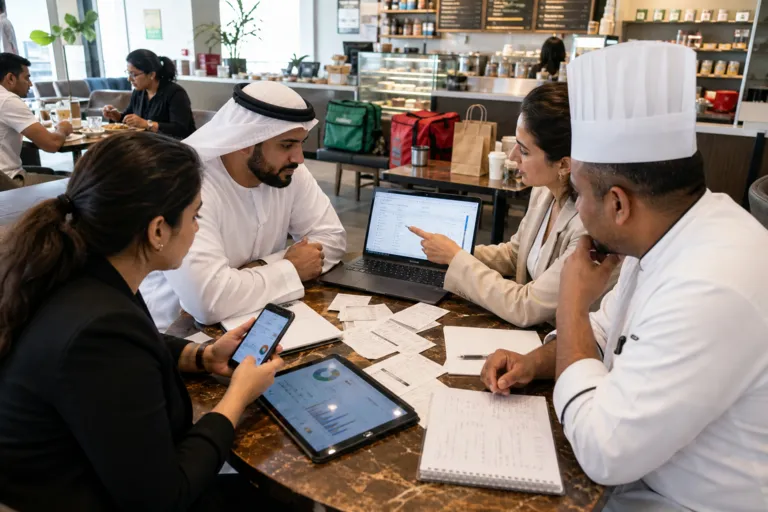
“Key players” in 2026 will include the companies best positioned to monetize attention, not only those with the largest footprint. The provided source emphasizes advertising as a vital revenue supplement as paid-product growth slows in mature markets. In practical terms, F&B players that can sell or trade visibility—through in-store screens, co-branded activations, menu placements, and content-led campaigns—can compete differently. That changes competitive advantage. Brand owners, restaurant groups, and platform-style operators that can package their audiences become more resilient when paid growth softens.
Consumer shifts also become easier to interpret through this lens. When paid-product growth slows, consumers are often more selective, and brands must work harder to stay top of mind. The source points to advertising as the response, implying that attention and discovery matter more when paid momentum is harder to sustain. For the Abu Dhabi food and beverage market, 2026 planning can therefore prioritize experiences and communications that keep repeat customers engaged and attract new ones. The goal is not louder marketing for its own sake, but a smarter system for capturing demand.
The most actionable 2026 play is alignment: menu decisions, pricing decisions, and brand partnerships should support an advertising-enabled model rather than compete with it. The provided source frames advertising as vital in mature-market conditions, which can encourage F&B operators to build campaigns that are consistent, testable, and integrated into daily operations. This can include clearer promotional objectives and more disciplined measurement of what messages drive visits and orders. While the source does not list local statistics, it provides a concrete strategic direction that F&B leaders can operationalize.
What is the most important 2026 shift for the Abu Dhabi food and beverage market in this article?
Why does the article emphasize advertising for 2026 F&B planning?
Who are the “key players” in 2026 according to this article’s framework?
Does the source include Abu Dhabi-specific statistics or market size data?