

The Abu Dhabi sports tourism impact is no longer limited to packed stadiums and sold-out tickets. It has become a year-round economic engine. Abu Dhabi has been named the world’s leading sports tourism destination for eight consecutive years through 2020. This recognition reflects a long-term strategy built around mega-events like UFC Fight Island and the Formula 1 Abu Dhabi Grand Prix.
Sports tourism contributes around 5% of the UAE’s GDP, and Abu Dhabi plays a central role in that figure. These events generate millions in visitor spending across hotels, dining, retail, and transport. More importantly, they reduce seasonality by attracting high-spending visitors outside traditional peak travel months.
Building the “Fight Island” and Racing Capital Identity
Abu Dhabi has invested heavily in infrastructure to support elite sports events. Yas Island has become the physical and symbolic center of this strategy. The Etihad Arena hosts UFC Fight Nights, while Yas Marina Circuit anchors the global F1 calendar.
The UFC’s continued commitment to hosting events in Abu Dhabi has strengthened the emirate’s reputation as a global combat sports hub. At the same time, Formula 1 draws international fans who stay for race week and often extend their visits. Together, these events position Abu Dhabi as both “Fight Island” and a racing capital, with benefits that extend far beyond event days.
Abu Dhabi Sports Tourism Impact on Hotels and Retail
One of the clearest effects of the Abu Dhabi sports tourism impact is hotel performance. Mega-events drive near-full occupancy, especially during periods that were once considered low season. This stabilizes revenues and improves long-term planning for hospitality operators.
Retail and dining also benefit. Sports tourists spend more time on Yas Island and surrounding areas. They shop, dine, and seek premium experiences. The global media exposure from these events further boosts Abu Dhabi’s brand, encouraging repeat visits and new travel demand.
Read Also: Abu Dhabi Yacht Tourism: Anchoring Growth in a Booming Market
Why Sports Visitors Spend More
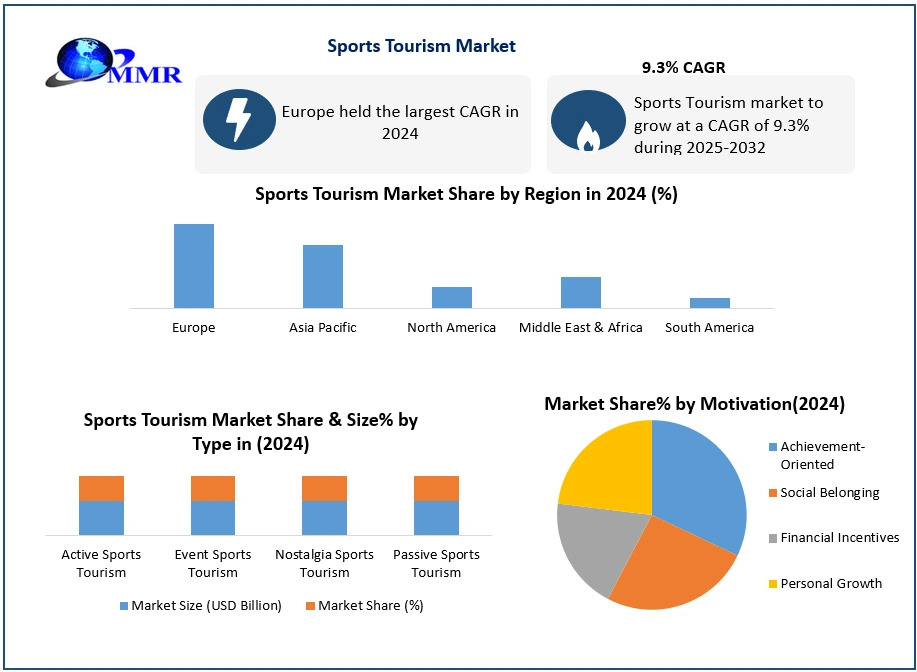
Sports tourists behave differently from leisure travelers. They spend up to three times more per day than traditional tourists. Tickets, premium seating, branded merchandise, fine dining, and curated experiences all raise per-capita spending.
This creates major opportunities for service providers on Yas Island. Restaurants, experience operators, transport services, and retailers benefit from visitors who are willing to pay for convenience and quality. Many sports fans also extend their stays to explore the city, increasing overall economic impact per visit.
Abu Dhabi Sports Tourism Impact on Jobs, Diversification, and Long-Term Growth
UFC and F1 events create thousands of jobs across hospitality, logistics, security, and event management. They also support Abu Dhabi’s wider goal of diversifying away from oil revenues. Sports tourism strengthens inbound travel flows and reinforces Abu Dhabi’s position as a winter training and event hub.
As GCC sports tourism grows toward a share of the projected $2 trillion global market by 2030, Abu Dhabi stands out as a regional leader with a proven model.
Read Also: Abu Dhabi Non‑Oil GDP Growth Q2 2025: Diversification at Record Highs
Strategic Insight for Market Players
The Abu Dhabi sports tourism impact shows how mega-events can transform an entire tourism ecosystem. For companies seeking to understand demand patterns, visitor behavior, and commercial opportunities in the UAE, expert insight matters. To explore deeper market intelligence and strategic support, connect with Market Research Abu Dhabi by Eurogroup Consulting. With 40 years of distinguished experience, Eurogroup Consulting excels in delivering strategic consulting services, with a strong focus on market research in the UAE and the wider region. Our team provides clear insights and hands-on support, making us the essential partner for succeeding in a rapidly evolving market landscape.