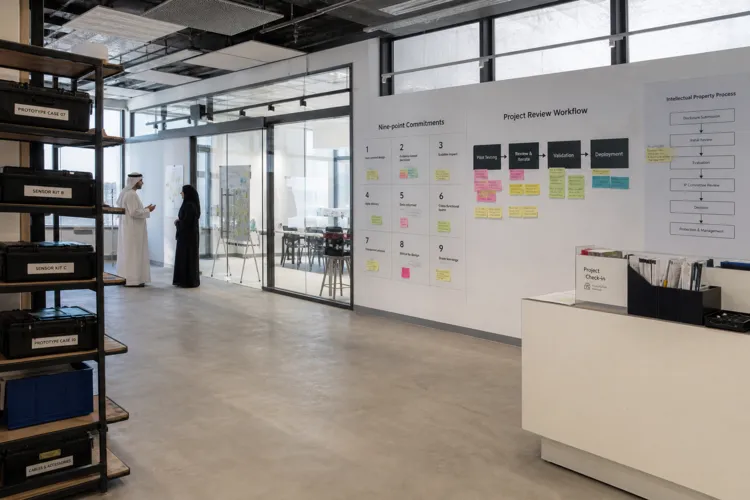

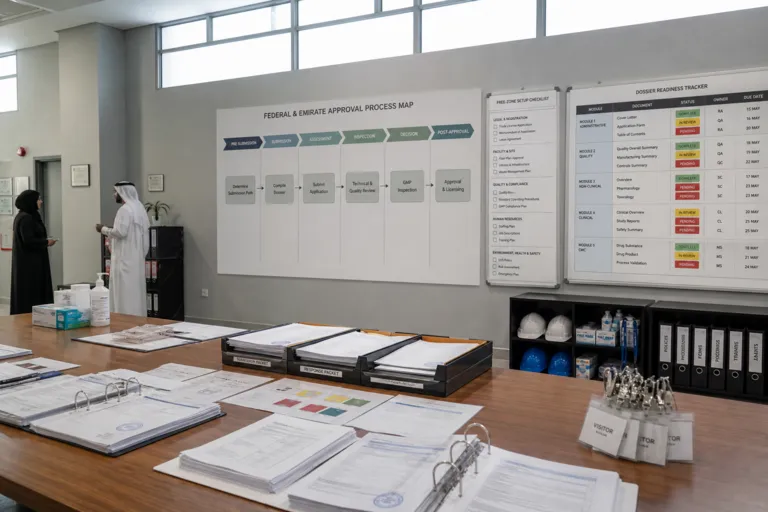
Pharmaceutical production planning in Abu Dhabi starts with regulation and market access. Sources describe a stringent environment that includes Ministry of Health approvals, local agency laws tied to drug registration, and quality certification requirements, alongside the need for GMP compliance. Across the UAE, regulation is overseen by bodies that include the Emirates Drug Establishment and the Ministry of Health and Prevention, with emirate-level authorities such as the Abu Dhabi Department of Health also shaping access and oversight. This multi-tier structure can add compliance burden, extend product registration timelines, and raise operational cost pressure, which is particularly challenging for smaller firms and new entrants.
Policy support is also a defining feature of the investment case. Free zones, including Khalifa Industrial Zone Abu Dhabi, are cited as offering tax incentives, business-friendly regulations, and world-class infrastructure aimed at attracting global manufacturers. Separately, the Ministry of Industry and Advanced Technology is described as implementing incentive programs such as tax exemptions, manufacturing grants, and fast-track licensing pathways within free zones, including Khalifa Industrial Zone Abu Dhabi. Operation 300bn is also described as prioritizing pharmaceutical manufacturing through industrial land incentives, fast-track MOHAP registration, and In-Country Value procurement benefits. For project teams, these incentives matter most when they are mapped directly to licensing, site selection, and portfolio choices that can reach buyers quickly.
Distribution Channels and Go-to-Market Pathways in Abu Dhabi
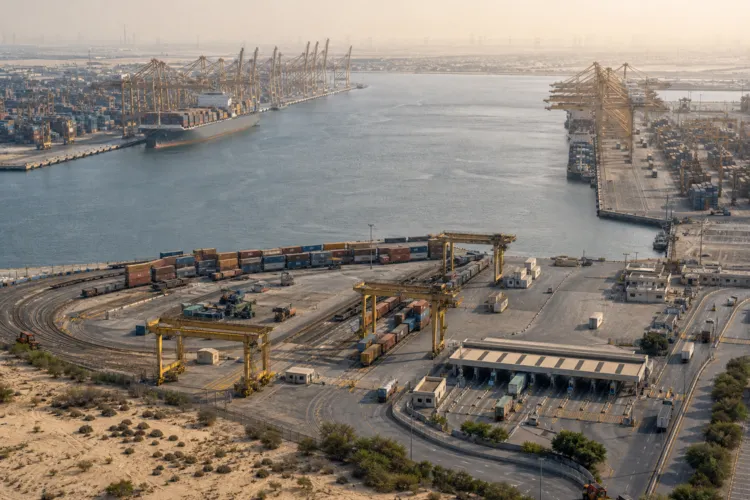
Distribution strategy must account for a market described as being dominated by established distributors and a few local manufacturers. That dynamic can make channel entry as important as factory build-out. Sources also point to industrial-zone selection as a distribution decision, not just a real-estate one, because logistics connectivity and cold-chain readiness can determine which product categories are practical to scale. KEZAD in Abu Dhabi is specifically described as a hub for bio-pharma and cold-chain logistics, while other UAE hubs include Dubai Science Park for life sciences R&D and industrial zones in Ras Al Khaimah for bulk formulation. In practice, many market-entry approaches emphasize partnerships and localization to strengthen credibility with buyers.
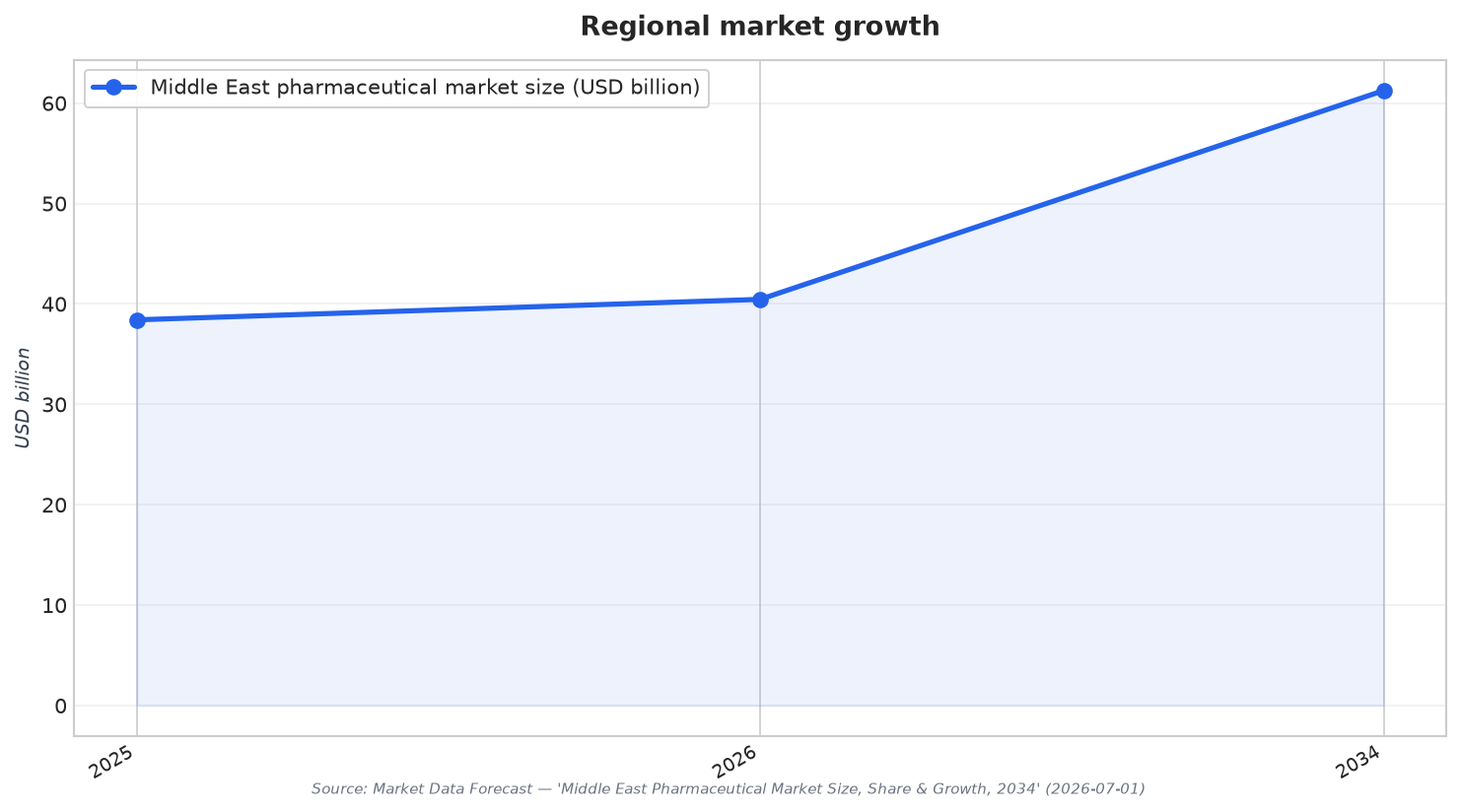
Local production momentum provides context for channel planning and supplier demand. One source states that the UAE now has over 35 pharmaceutical factories operating nationwide, reflecting an expansion of domestic manufacturing across multiple product types. Another source states that the UAE has seen over 60 new pharmaceutical firms established in the last two years, attributed to favorable regulatory frameworks and investment incentives. At the Abu Dhabi level, a separate source cites an AED 10B investment that aims to double manufacturing to AED 172B, boost non-oil exports 148% to AED 178.8B, and create 13,600 jobs by 2031. These signals can influence procurement, packaging, cold-chain services, and technical staffing needs throughout the supply chain.
For suppliers, the clearest opportunities are often created by compliance workload and portfolio choices. Market-entry work described in Abu Dhabi includes mapping manufacturing licenses, product registrations, and GMP certifications, plus aligning workforce plans to In-Country Value requirements to maximize local hiring and sourcing. It also highlights selecting essential medications with high import volume and periodic shortages as candidates for local production, which can bring faster market traction if buyers are secured. Contract manufacturing also remains relevant, with Dubai and Abu Dhabi described as key hubs for pharmaceutical companies and contract manufacturers, supported by government-backed initiatives such as “Make it in the Emirates” and Operation 300bn.
What incentives matter most when evaluating the Abu Dhabi pharmaceutical manufacturing market?
Which regulators shape pharmaceutical manufacturing and distribution access in the UAE?
What do the sources say about manufacturing scale and new company formation in the UAE?
What Abu Dhabi-specific investment goals are cited for manufacturing and jobs?
Where are the main UAE hubs mentioned for pharma activity and logistics support?