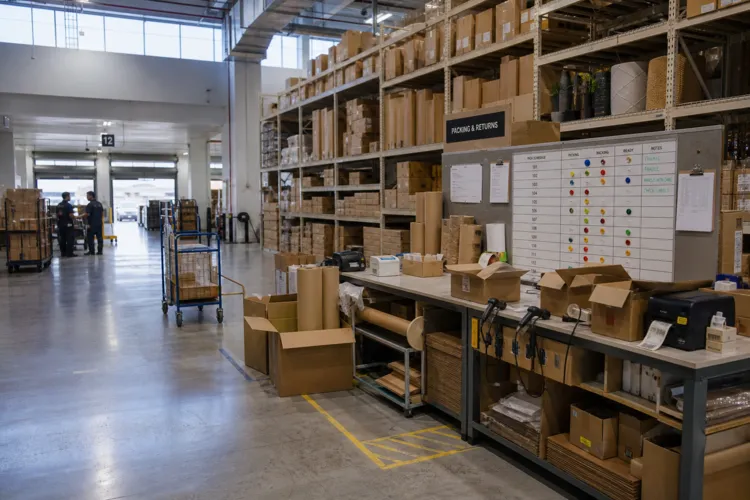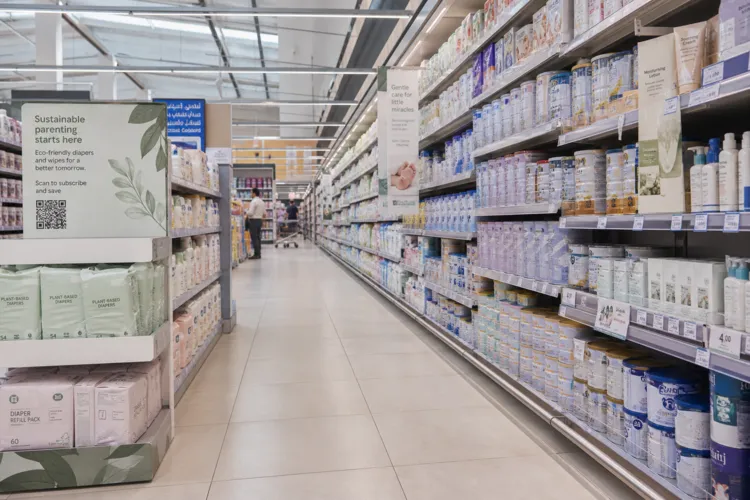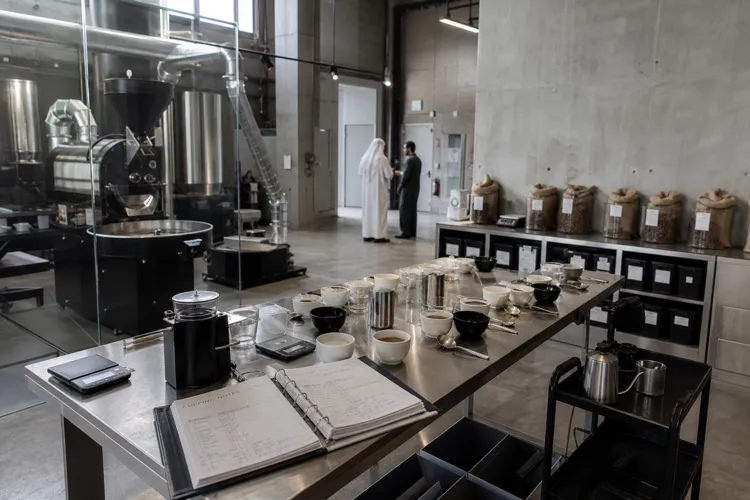

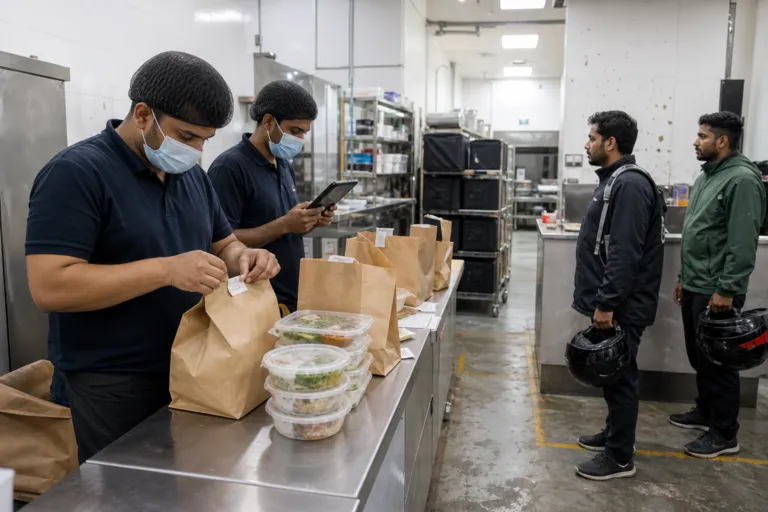
Cloud kitchens are not new in the UAE, and Abu Dhabi is repeatedly cited as one of the cities where the model has scaled alongside a delivery-first lifestyle. A cloud kitchen is a delivery-only facility with no dine-in area, built for operational efficiency and heavy technology use. Foodics links the UAE’s shift to several reinforcing factors: high population density in cities such as Dubai and Abu Dhabi, strong reliance on fast delivery, a diverse expatriate community that broadens international cuisine demand, and high smartphone usage plus food delivery app adoption. In this context, the Abu Dhabi cloud kitchen market is less about “opening a restaurant” and more about designing a production-and-logistics business that can win orders on digital channels.
Delivery economics are the core rationale. Foodics highlights that high rent and labor costs challenge almost all restaurant formats in the UAE, and that the cloud kitchen model reduces fixed costs by using less space and fewer employees, supporting better ROI. Scale economics also show up in the technology stack. In a GCC-wide outlook, AI demand forecasting is described as reaching 85% accuracy by analyzing historical sales data, weather patterns, and local events, helping reduce food waste. The same GCC source claims automated order management can cut processing errors by 40% in high-volume Saudi operations, while AI-driven menu optimization is associated with 20–30% higher profitability across UAE facilities. These are not Abu Dhabi-specific figures, but they frame the operational playbook local operators increasingly compete on.
Operator Landscape: Platforms, Multi-Brand Models, and Support Programs
The operator landscape in Abu Dhabi is shaped by both dedicated cloud-kitchen providers and delivery platforms that control demand. Polariserp notes that Deliveroo Editions has operated in virtual kitchens since 2017 and currently has cloud-kitchen spaces in Dubai and Abu Dhabi. The same source also states that, in March 2026, Talabat announced it would support 100 UAE cloud kitchens with zero rental costs, a move that could alter site-selection economics for new entrants. On the demand side, Polariserp reports over 5.5 million delivery services users in the UAE, in a market it says is set to overpass AED 10 billion in 2026. Together, these details suggest an ecosystem where access to platforms, favorable unit economics, and the ability to run multiple “virtual” brands from one kitchen can matter as much as the food itself.
Market sizing signals continued expansion, but each number must stay in its original scope. OMR Business Consulting estimates the UAE cloud kitchen market at USD 276.62 million in 2023 and projects USD 1,289.13 million by 2032, at a 25.17% CAGR. Foodics separately states the UAE cloud kitchen market was valued at USD 430 million in 2025 and is projected to reach USD 1.083 billion by 2032, at a 14.1% CAGR from 2025 to 2032. For broader context, IMARC figures cited in a GCC report place the GCC cloud kitchen market at USD 2.22 billion in 2025, projecting USD 6.74 billion by 2034 at a 13.2% CAGR from 2026 to 2034. These are not interchangeable, but they reinforce that investors and operators are planning for multi-year growth.
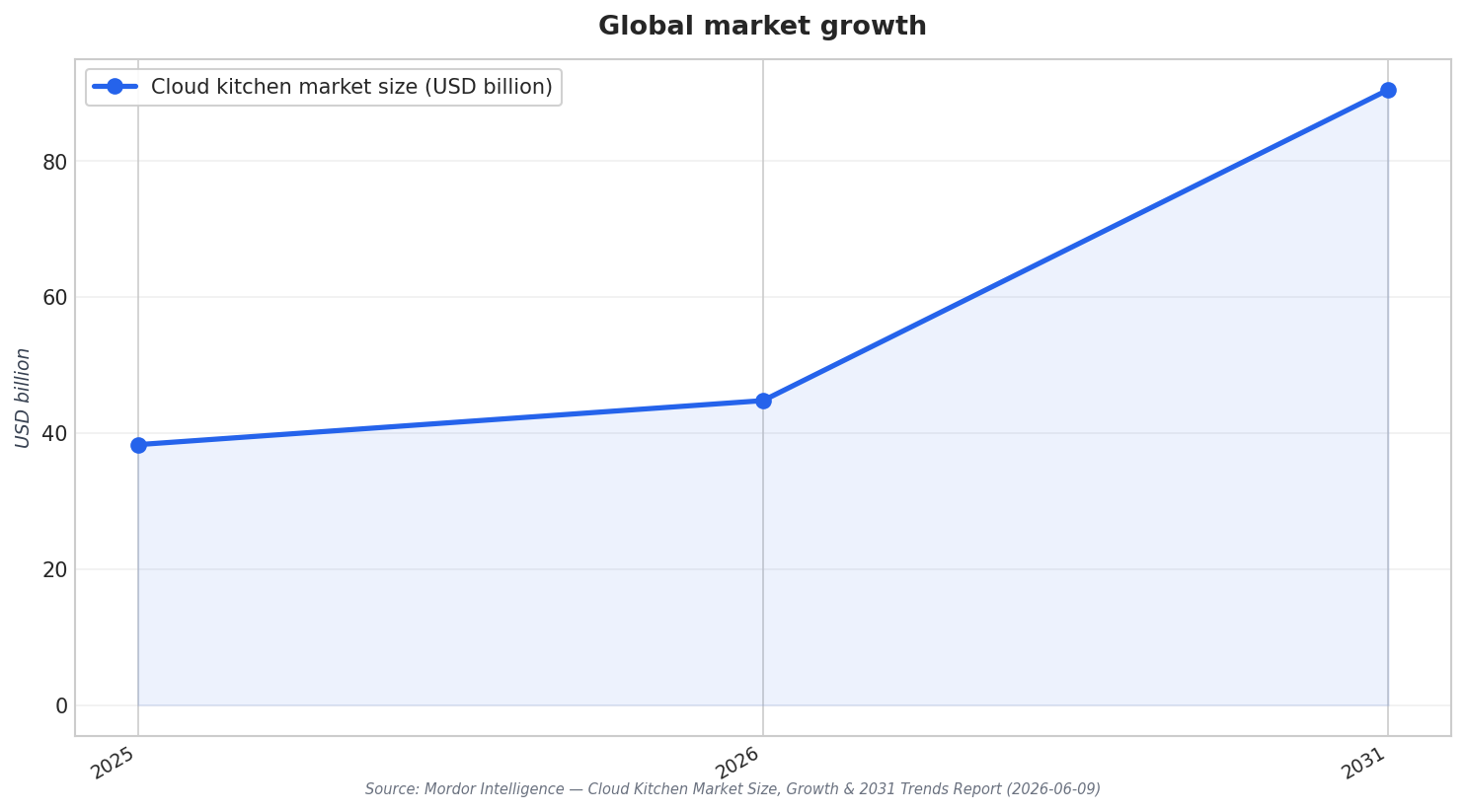
Looking into 2026 demand drivers, UAE-focused sources point to behavior, regulation, and technology rather than a single catalyst. Foodics emphasizes delivery-first consumer habits and the dominance of major delivery platforms that provide customer reach. OMR adds that regulatory mandates and sustainability pressures, including plastic limitations, are encouraging eco-friendly packaging and processes, while volatile raw material costs threaten margins and require proactive pricing models and supplier cooperation. At the same time, the GCC outlook argues that AI-enabled kitchen routing can increase throughput capacity by 200–300 meals per hour compared with traditional restaurant operations, and that predictive maintenance can reduce downtime by 25% across 50+ GCC cloud-kitchen locations. For Abu Dhabi operators, the practical 2026 play is to pair demand access (apps and marketplace reach) with disciplined cost control and automation-ready operations.
What is driving growth for cloud kitchens in Abu Dhabi?
Which major delivery-linked operators have a presence in Abu Dhabi cloud kitchens?
What do the UAE market forecasts say about the cloud kitchen opportunity?
How does AI change cloud kitchen economics in the region?
What are the key 2026 demand drivers shaping the Abu Dhabi cloud kitchen market?