
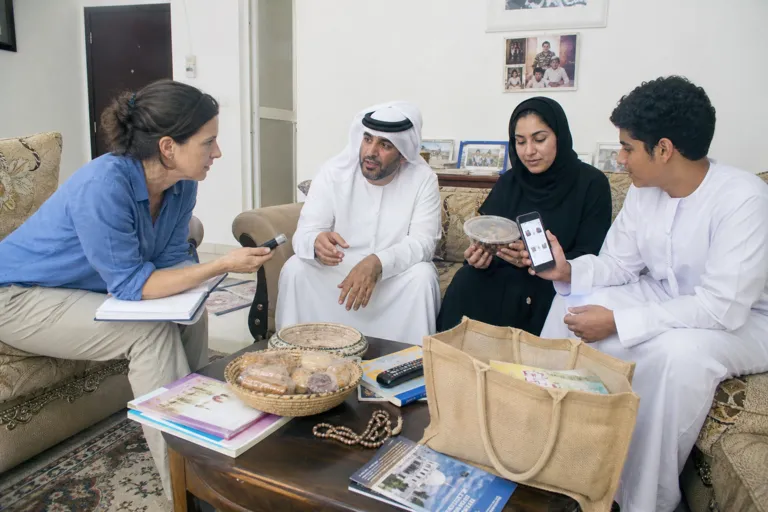
Ethnographic research UAE work is about capturing lived context: what people do, what they avoid, and what “makes sense” in their cultural setting. In Abu Dhabi, that context is changing fast. A Vogue report describes how “homegrown is no longer a niche narrative” across media, retail, and government in the UAE. It ties the momentum to wider geopolitical uncertainty and says the Iran war accelerated focus toward proximity, identity, and resilience. For researchers, that means interviews and observation need to track why local pride rises, how identity shows up in purchase decisions, and what “thinking local” looks like in everyday routines.
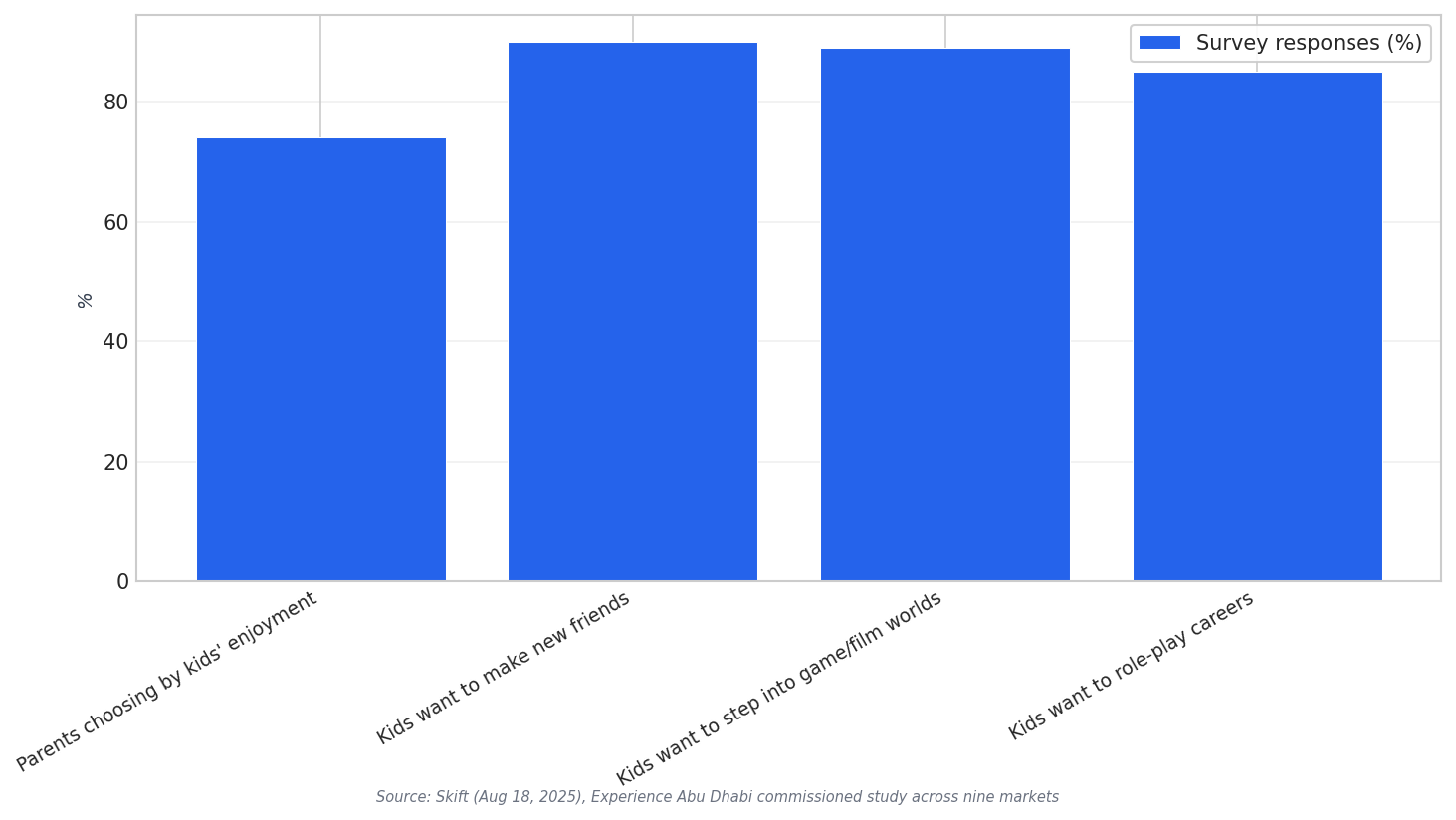
Ethnography also matters because “local” is not a single, generic behavior. A Skift report on an Experience Abu Dhabi campaign shows how preferences vary by market, and why one-size messaging fails. It states that 74% of parents said they chose destinations based on what their kids would enjoy most. It also reports that 90% of surveyed children wanted to make new friends on holiday, while 89% wanted to step inside worlds of favorite games or films, and 85% wanted to role-play as astronauts, zookeepers, or race-car drivers. Those numbers came from insights drawn from over 7,000 children aged five to 12 and their parents across nine countries, including the UAE.
What Abu Dhabi Ethnography Captures That Surveys Miss
Surveys can tell you what people say, but ethnography shows how decisions happen in context. In fashion and beauty, FashionUnited notes that international brands are encouraged to achieve “cultural relevance” in Abu Dhabi. It describes adjustments to “colours, materials, or cuts,” and points to Ramadan as a significant commercial opportunity where some brands create specific capsules with long dresses, covered sleeves, higher necklines, and more conservative silhouettes. Ethnographic research UAE teams can map where these expectations come from: family settings, social occasions, mall journeys, and how shoppers talk about distinction versus conformity when they browse.
Ethnographic work also connects consumption to the city’s cultural direction. Artnews argues Abu Dhabi wants to be the region’s “laboratory for new cultural economies,” with a growing emphasis on underrepresented artists and building collections that reflect “lived context.” It quotes, “As more people move here, they want homes that reflect their environment.” That matters for consumer research because “home” choices often reflect identity signals. Observing how residents interpret heritage, modernity, and “hyper-local initiatives” can guide product language, store experience design, and partnerships with local creatives.
Finally, ethnography supports trust and long-term engagement when data collection is sensitive. An Abu Dhabi Department of Energy initiative promises a “complete commitment to preserving the confidentiality of all data and information collected during the assessments,” and includes initial on-site visits plus analysis of consumption trends. While that program is industrial, it shows an Abu Dhabi pattern: on-site assessment paired with confidentiality commitments. For consumer research, especially in homes and family contexts, clear consent, privacy safeguards, and respectful fieldwork protocols help teams capture real behavior rather than staged answers.
What does “ethnographic research UAE” mean in an Abu Dhabi context?
What evidence shows why “local context” matters for Abu Dhabi marketing?
Which child preferences did the Experience Abu Dhabi study highlight?
How does Abu Dhabi’s fashion market signal the need for ethnographic insight?
How does Abu Dhabi’s cultural scene connect to consumer context research?